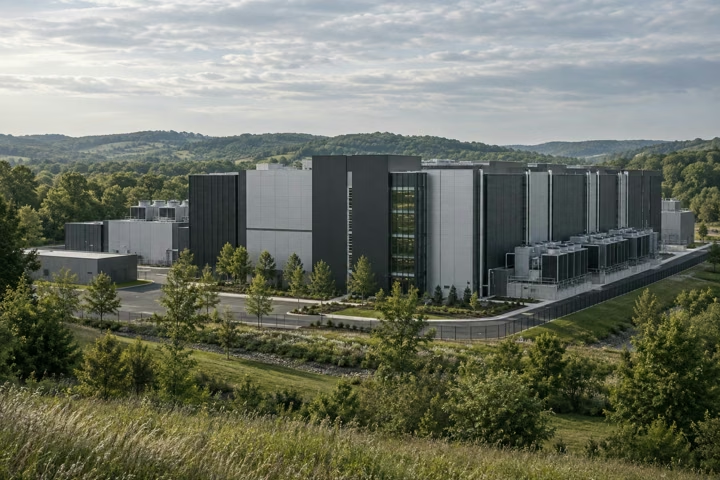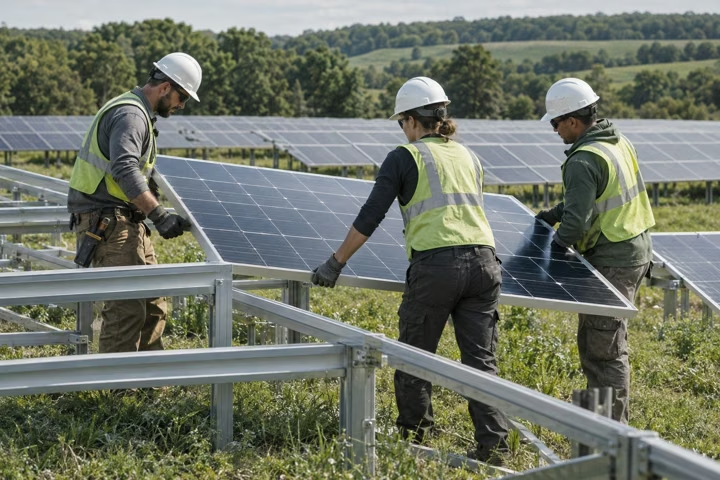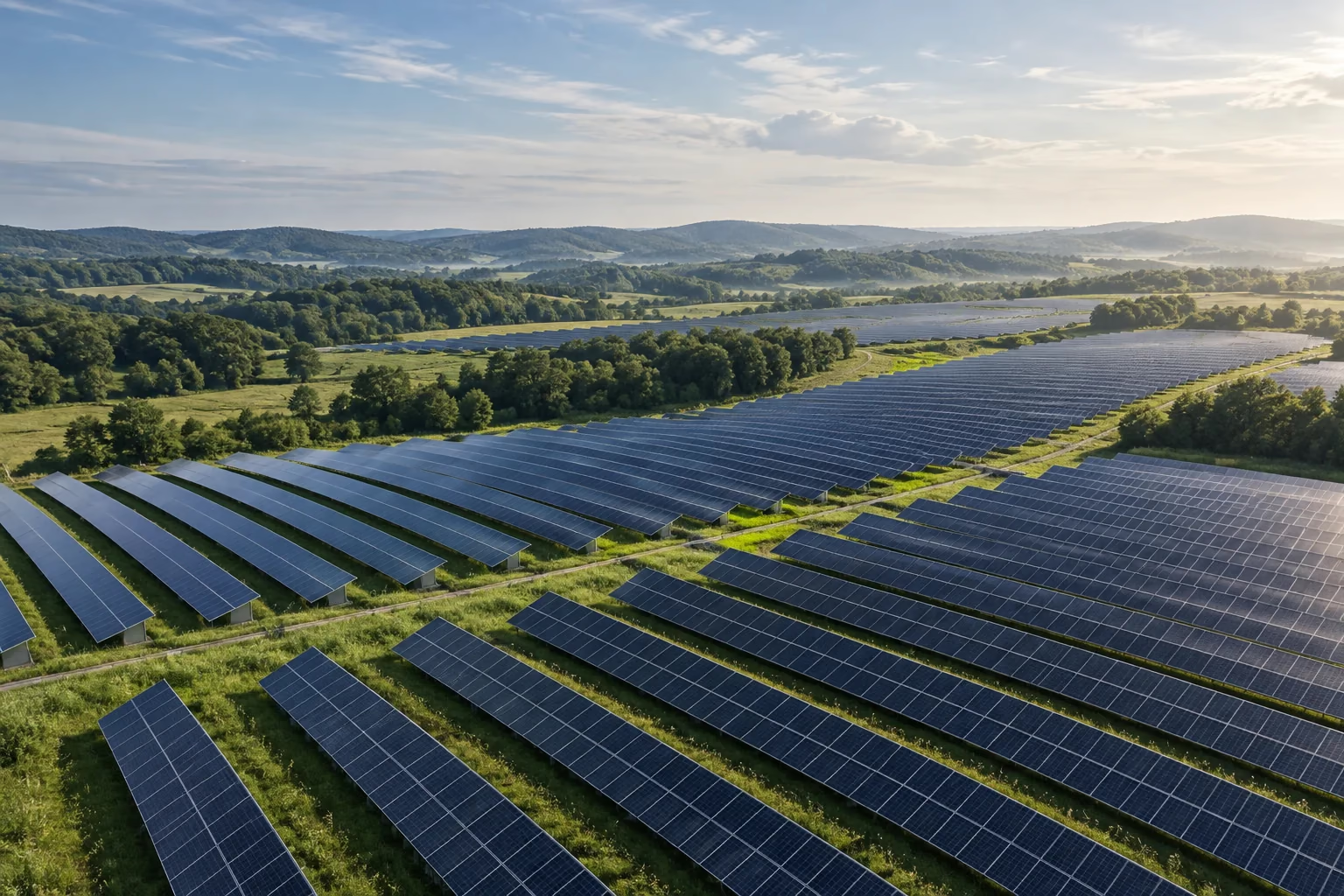
A field can look like a blank canvas. A solar developer has to see something more specific: a place with a landscape, neighbors and a connection to the wider energy system. The work begins by understanding how those pieces fit together.
Look beyond the acreage.
Size is only one part of a site's potential. Terrain, access to the electricity network, environmental conditions and local priorities all influence where and how a project can take shape. The Department of Energy includes these considerations in its overview of large-scale solar siting.
That makes the first conversation a listening exercise. What is already valuable about this place? What should be protected? Where might a new use sit comfortably alongside the land's existing role?
Think about the connection early.
A solar array belongs to a larger system. Transmission access, the cost of connecting to the grid and a customer for the electricity are part of the development picture. An attractive parcel is a starting point, not a complete project.
A useful early project brief should make those open questions visible. It should help a landowner, an energy buyer and a community member understand the same proposal without having to translate between three different stories.
Build a clear conversation.
Thoughtful development begins with plain language: what is being explored, what is known and what still needs work. Good questions are productive. They help everyone see the decisions ahead and create room for a better project.
Our view is simple: the quality of the preparation deserves as much attention as the panels that eventually become visible.
Further reading: U.S. Department of Energy — Large-Scale Solar Siting Research.