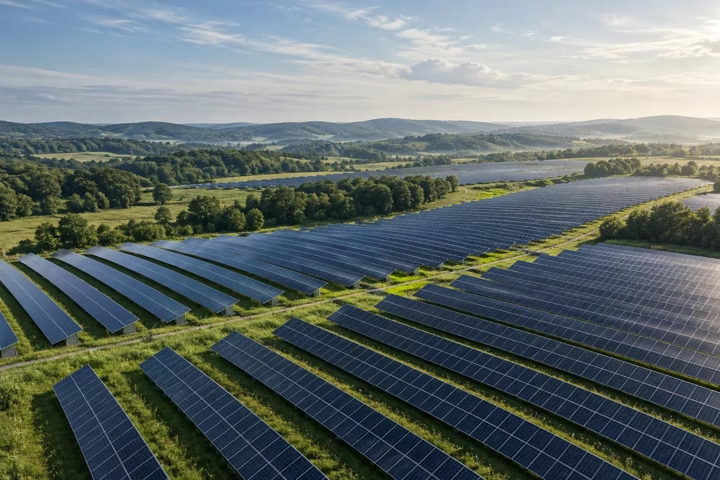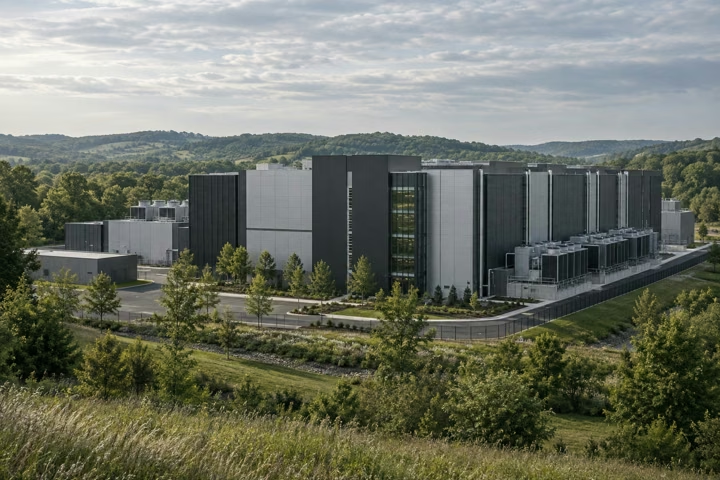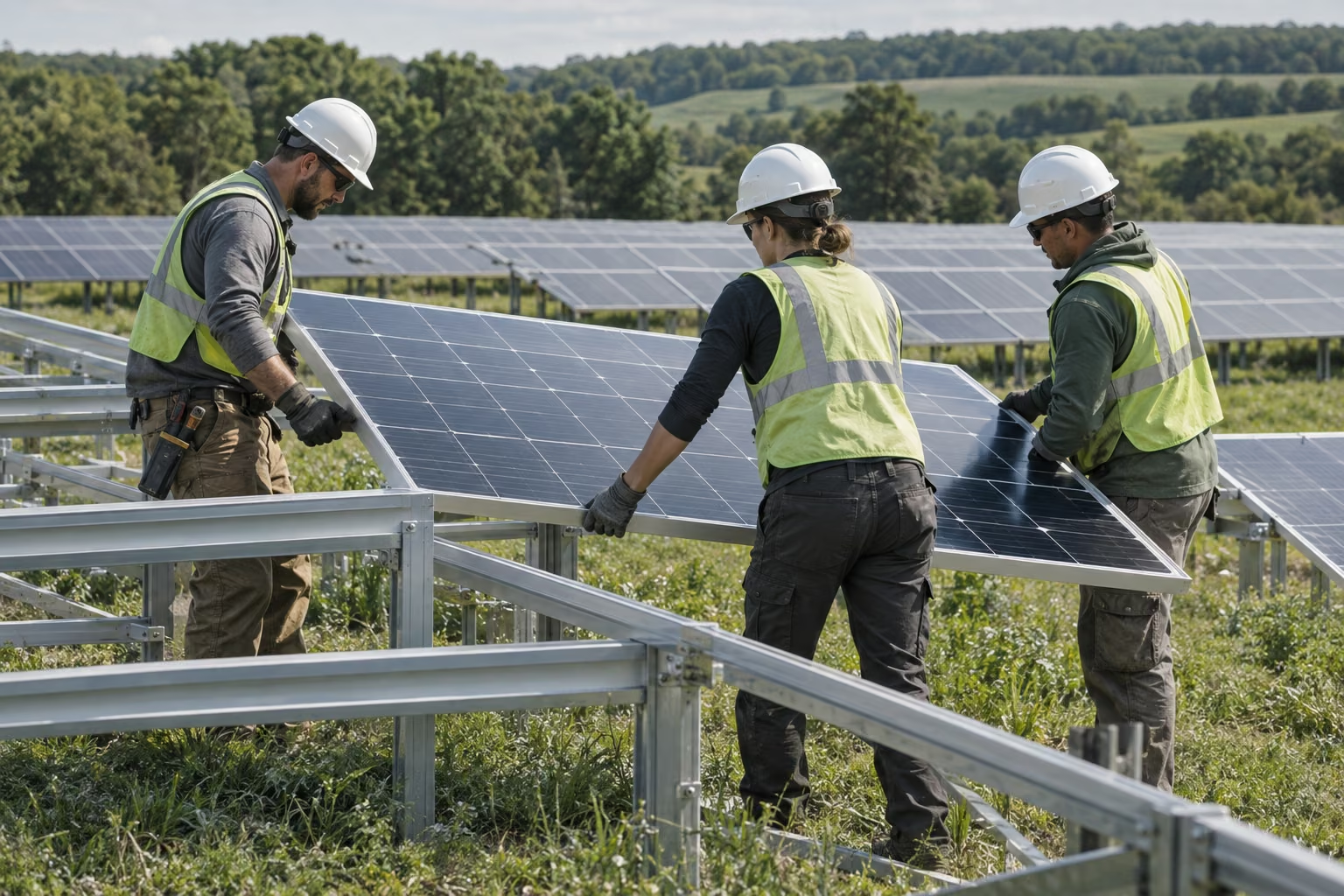
A photograph of a solar farm often focuses on the geometry: panel after panel, arranged across a field. Look a little closer and another story appears. People designed that system, installed it and will help care for it over time.
Make the work visible.
The solar workforce includes design, installation, maintenance and grid-related roles. The Department of Energy's workforce overview also highlights related professions that help projects work safely and effectively.
For someone exploring a first career, “clean energy” can sound abstract. A conversation about a real role is easier to picture: what a working day involves, what skills it uses and what someone would need to learn next.
Connect learning to experience.
DOE-supported workforce approaches include education, internships, apprenticeships, mentoring and job-readiness support. Together, these offer different ways to connect an interest in solar with practical experience.
A useful introduction to the field should leave a learner with more than inspiration. It should help them identify a next step, understand the time involved and know whom to ask for guidance. Clear expectations are a form of encouragement.
Keep opportunity in the picture.
When we talk about a new energy future, we should also ask who can see a place for themselves in it. That question belongs early in the conversation, alongside questions about land and electricity.
At TechnBloomEnergy, our nonprofit's focus on preparing young people for solar installation and repair is part of this broader ambition. The story of solar should make room for both the infrastructure and the people who build it.
Further reading: U.S. Department of Energy — Solar Workforce Development. Explore our nonprofit.