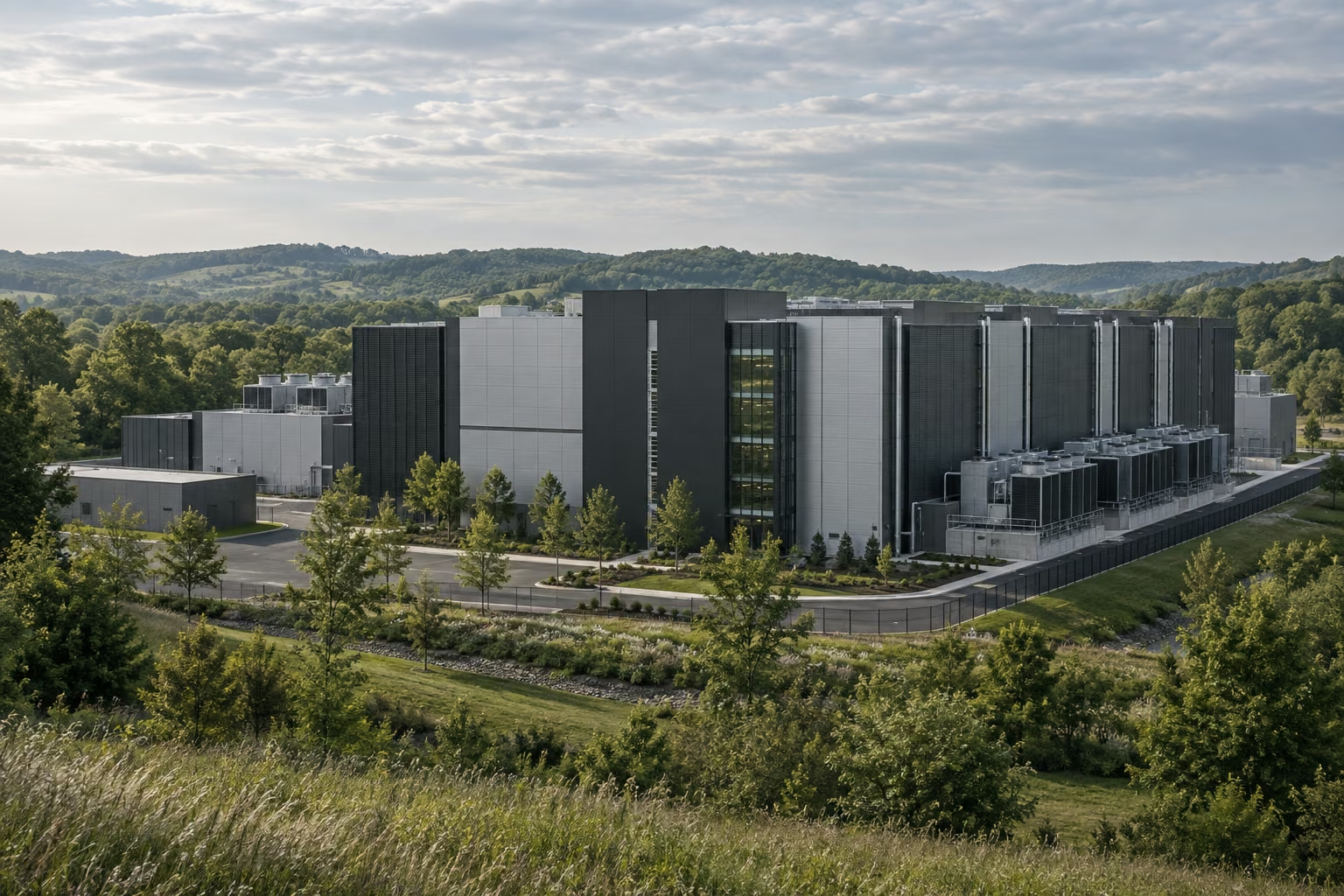
Behind a digital service is a physical world: buildings, equipment and electricity. Thinking about solar alongside that infrastructure means looking at both how energy is produced and when it is needed.
Start with the rhythm of the sun.
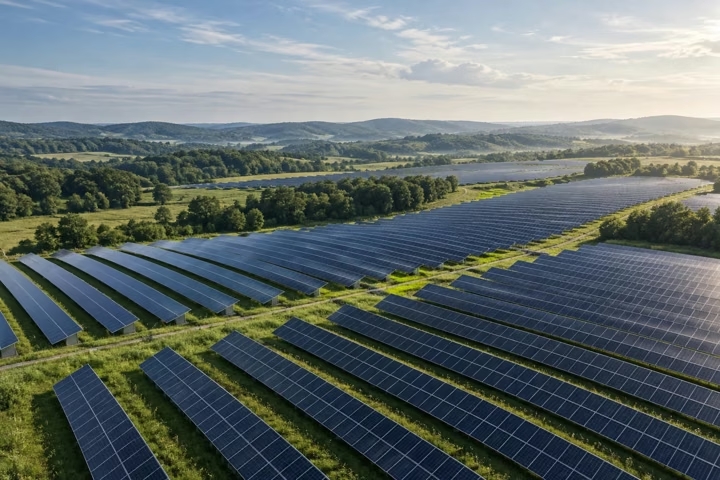
Solar panels turn sunlight into electricity. Their output changes as available sunlight changes. A facility that needs power through the night therefore has a different operating pattern from a solar array on its own.
That difference is a useful starting point for an energy conversation. How much electricity is needed across the day? Which needs are flexible? Which need a dependable supply at every hour?
See the whole system.
The grid brings generation and demand together. Inverters convert the direct-current electricity produced by solar panels into the alternating current used by the grid. Storage can hold energy for later and help manage changes in solar output. These are complementary pieces, each with its own job.
The Department of Energy explains that solar generation and peak energy use do not always happen at the same time. Matching the two is a system-design question, not something that adding panels alone resolves.
Ask better questions about power.
For a first conversation, it helps to separate an ambition from a design. “We want more solar in our energy supply” begins a discussion. The next step is to understand the site's actual needs and the combination of resources available to meet them.
Solar has a role in that discussion. Being precise about its role makes the conversation more useful for the people developing the project and the people who may one day use its electricity.
Further reading: U.S. Department of Energy — Solar Systems Integration Basics and Solar Energy and Storage Basics.